
Congress Moves to Shield Coders, Aiming to Keep Tech's Future American
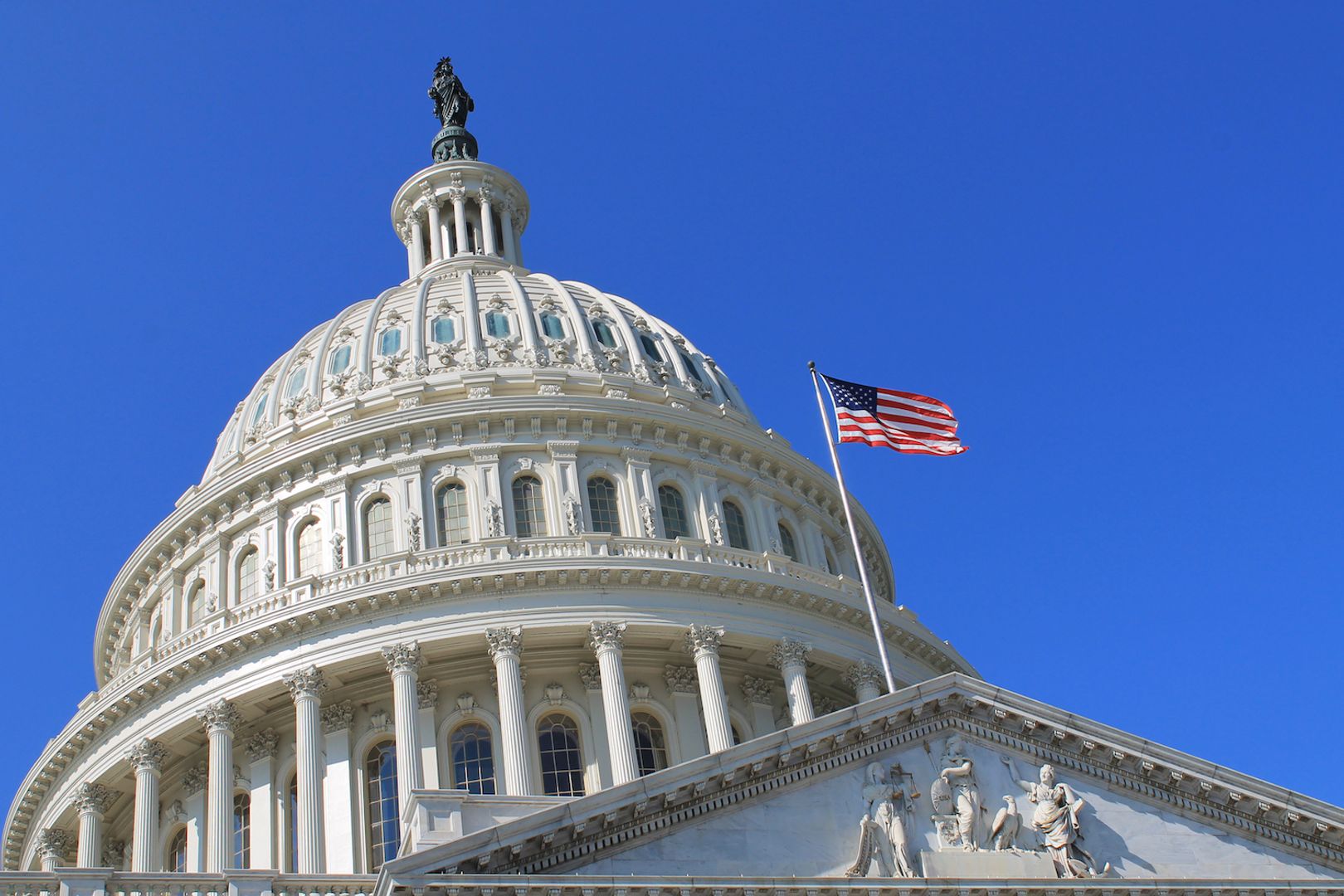
In a bid to retain the country's competitive edge, a bipartisan group in Congress introduced legislation on Thursday designed to protect software developers from legal overreach. The Promoting Innovation in Blockchain Development Act of 2026 seeks to clarify that developers working on open-source projects should not be automatically targeted under money laundering statutes.
The bill arrives as the global race to set standards for digital infrastructure intensifies. Developers, who are increasingly mobile, often choose where to innovate based on regulatory clarity. Ambiguity in U.S. law has created a chilling effect, proponents argue, just as foundational technologies for finance and commerce are being built in code.
Evidence of this shift is visible in the rapid growth of ecosystems like Solana, which led major platforms in attracting new developers last year. This growth is driven by builders working on practical applications for payments, identity, and decentralized systems.
Regulatory attitudes may be shifting. Beyond the new bill, the Securities and Exchange Commission, under Chairman Paul Atkins, has shown signs of moving from a stance of pure enforcement toward more engagement and rulemaking. The industry's consistent request is not for an absence of rules, but for coherent ones that reflect how modern technology works.
The underlying principle is historical: American leadership in canals, railroads, and the internet often saw innovation precede comprehensive regulation. This sequence allowed the U.S. to establish global norms. As the nation marks its 250th anniversary this July, the question is whether it will repeat that pattern for critical digital infrastructure or cede leadership to jurisdictions that have established clearer frameworks. The new legislation is a small but direct attempt to ensure the builders of tomorrow keep writing their code here.
Original source
Read on CoinDesk