
Microsoft's 'Project Silica' Etches a Data Future in Glass, Built to Last Millennia
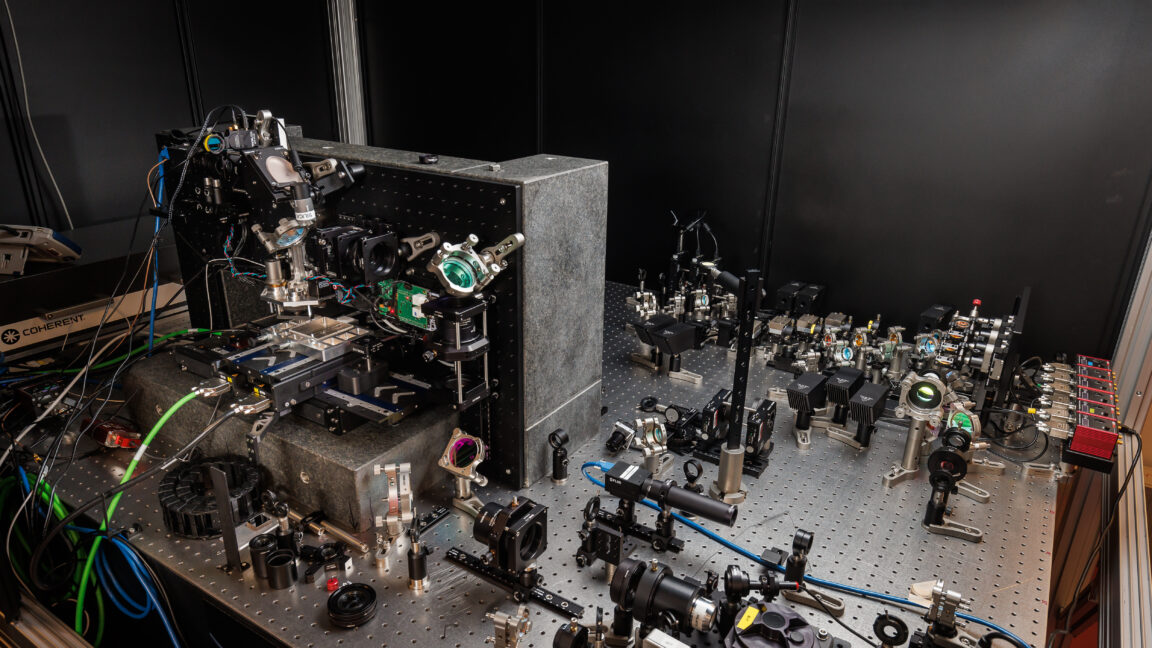
In an era where digital obsolescence is measured in years, Microsoft Research has unveiled a storage medium designed for the ages: glass. The project, detailed in the journal Nature, demonstrates a functional system that writes and reads data into small glass platters, aiming to preserve information for 10,000 years or more.
The core idea is elegantly simple. Using an ultrafast femtosecond laser, the system etches microscopic patterns into specially formulated glass. This isn't ordinary window glass, but a highly stable material engineered to resist moisture, temperature swings, and electromagnetic interference. It requires no power to maintain the data, offering a potential solution to the energy and physical degradation problems of current archival methods.
While the concept of glass storage isn't new, Project Silica represents a significant leap toward practicality. The system achieves a data density of over one gigabit per cubic millimeter. The femtosecond laser, pulsing millions of times per second, makes the etching process fast and precise enough to be viable.
For institutions and governments facing the daunting task of preserving humanity's digital legacy—from historical records to scientific datasets—this technology presents a compelling vision. It suggests a future where our most vital information isn't trapped on fragile, ephemeral media, but literally set in stone, or rather, in stable glass.
Original source
Read on Ars Technica