
Moon Hummus? Chickpeas Sprout in Simulated Lunar Soil, Offering Hope for Future Astronaut Diets
Future moon colonists may one day enjoy homegrown hummus, thanks to a new agricultural breakthrough. Researchers have successfully grown chickpea plants to seed-bearing maturity in simulated lunar dirt, a significant step toward sustainable food production beyond Earth.
The work, published in Scientific Reports, tackles a pressing challenge: lunar regolith is notoriously poor soil. It's fine, sharp, and lacks vital nutrients. "Unamended, it is a hazard. It is awful," says space biologist Jess Atkin of Texas A&M University.
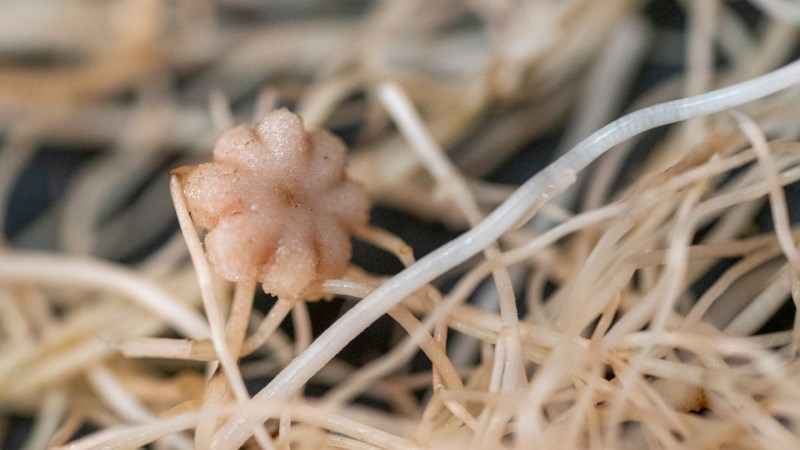
Atkin and fluid dynamicist Sara Oliveira Santos of UT Austin turned to methods used to rehabilitate contaminated soils on Earth. They coated chickpea seeds with a symbiotic fungus that helps roots expand and sequester heavy metals. They then planted them in mixtures of simulated moon dirt and vermicompost, a fertilizer from worms.
The results were promising. In soil composed of up to 75% lunar simulant, the hardy chickpeas grew for months, flowering and producing seeds. While plants showed more stress than those grown in ordinary Earth soil, the fungal treatment gave them a critical two-week longevity boost.
"The fact that we can help the plant get to a stage where it produces seed is really important," says Santos. Atkin sees the plants as a catalyst, hosting a transformation of regolith into a stable, living soil capable of supporting diverse crops.
Key questions remain. The team is now testing whether the seeds can produce new generations and, crucially, if the plants are safe to eat. Atkin has already laid claim to the first harvest: "I will be the first one to make some moon hummus."
Original source
Read on Science News