
When Software Companies Fail, Your Car Might Not Start
You get in your car, push the button, and nothing happens. It's not a mechanical failure. It's a digital one, because a server somewhere has gone dark. For modern vehicles, this is a real and growing risk.
Today's cars are deeply dependent on software and the companies that write it. If that company shuts down, the impact goes far beyond losing a slick app feature. It can mean your vehicle simply stops working.
Software now controls everything from engine functions to whether your doors will unlock. Some models require a connection to the manufacturer's app just to gain entry. While this technology offers new conveniences, it has also introduced a new kind of vulnerability. In the past, a mechanical breakdown could often be fixed locally. Now, a software glitch can leave a car completely dead, waiting for a patch that may never come if the developer is out of business.
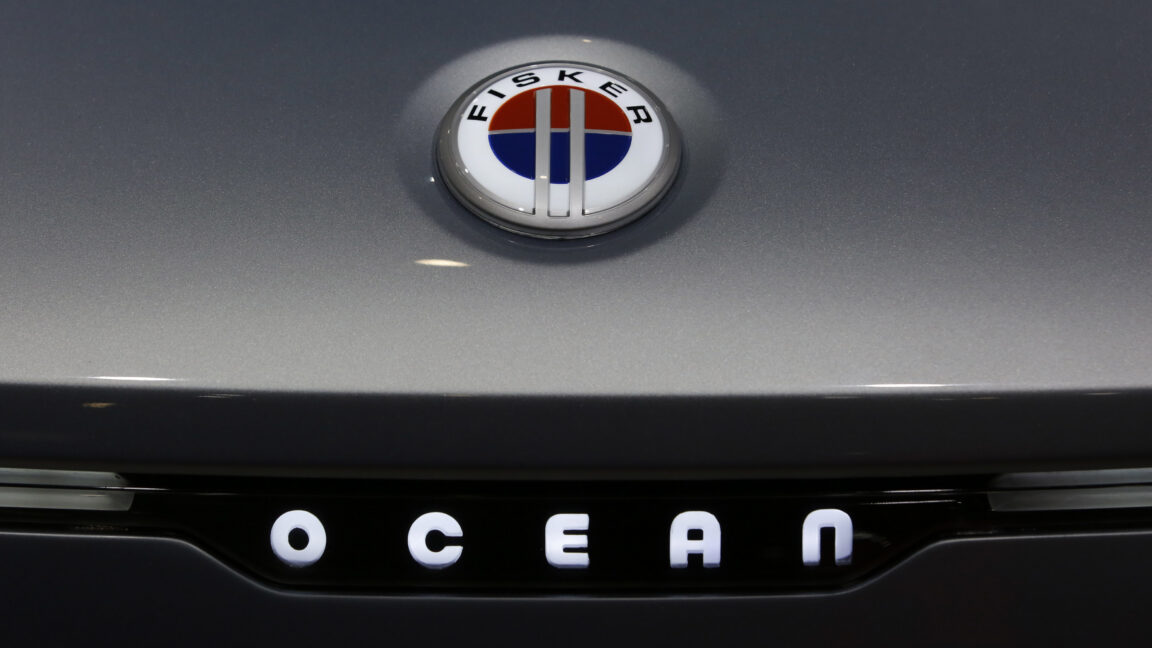
We've already seen this scenario unfold. Consider Fisker. The electric vehicle maker launched its Ocean SUV in the UK in May 2023. By mid-2024, the company had filed for bankruptcy. Owners of these £35,000-and-up vehicles were left with cars whose long-term software support was suddenly in question, despite warranties promising up to a decade of coverage on the battery and drivetrain. The hardware was guaranteed, but the essential software that makes it run was not. As more automakers and tech firms enter—and exit—the market, consumers are left wondering what truly happens to their investment when the code behind it has no corporate steward.
Original source
Read on Ars Technica